DEDICATED TO THE 25TH ANNIVERSARY OF THE BROADWAY PREMIERE OF THE MUSICAL ‘THE PRODUCERS’ AND THE 100TH ANNIVERSARY OF MEL BROOKS
The first part is available here.
The famous musical The Producers wasn’t Mel Brooks’s first foray into musical theatre. In 1957, he collaborated with Joe Darion on the book for the musical comedy Shinbone Alley (music by George Kleinsinger). It told the story of a poet who commits suicide and is reincarnated as a cockroach named Archy. The musical flopped, but several songs, such as Toujours Gai, Queer Little Insect, and What Do We Care?, gained popularity beyond the theatre stage.
In 1962, Brooks tried to enter musical theatre again. He wrote the book for the musical All American, with lyrics by Lee Adams and music by Charles Strouse. The plot unfolds on the fictional campus of the Technological Institute. At the center of the conflict is the clash of science and sport: engineering principles help create winning teams, while football strategies benefit engineers’ education. The project went virtually unnoticed, despite receiving two Tony Award nominations. The song Once Upon a Time became the show’s most famous composition and gained popularity thanks to performers such as Eddie Fisher, Frank Sinatra, Bob Dylan, Eddie Williams, and others.
The musical The Producers (2001) was Mel’s third attempt to conquer Broadway, coming nearly forty years later. Mel Brooks wrote the music and lyrics, and Mel Brooks and Thomas Meehan wrote the libretto. The director and choreographer was Susan Stroman, who became Mel’s friend and reliable partner in all subsequent theatrical projects and their adaptations.
The production won twelve Tony Awards, including Best Musical, Best Musical Libretto, and Best Original Score and Lyrics. Brooks also won a Grammy Award for Best Musical Theatre Album for The Producers. It’s no exaggeration to say that The Producers launched Brooks to fame across all media, securing three of the four awards needed for the prestigious EGOT status.
The Producers ran on Broadway for many years, with over 2,500 performances. The musical’s West End run (2004-2007) was equally successful.
We spoke with Susan Stroman, director and one of Broadway’s most award-winning choreographers, about the history of the musical The Producers, the differences between the Broadway and West End productions, and the film adaptation.
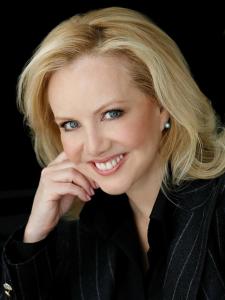
Susan Stroman/ Headshot by Paul Kolnik
Lisa Monde: The Producers celebrates its 25th anniversary! Time flies. You’ve joined The Producers family as the show’s choreographer and director. Congratulations on this achievement – one of your creations turning 25!
Susan Stroman: It’s a special year, 25 years. And Mel Brooks is turning 100! So those two things are huge achievements!
LM: Absolutely!
SS: The Producers is being done a lot. I love it when I hear it’s being performed. They’re currently rehearsing it at Ogunquit Theatre up in Maine. And it’s amazing how it has just gone all around the country. People love that book and that story. They love those characters. I couldn’t be happier for the show’s success and that it’s existing in the cultural universe.
LM: How does it feel to know that the show you’ve created has become such an iconic masterpiece worldwide?
SS: It feels great. It warms my heart to know someone might be seeing a whole chorus line of Little Old Ladies with walkers, or girls coming out of file cabinets somewhere. And that there’s a rascal like Max Bialystock out there, and he’s becoming friends with an accountant named Leo Bloom. The whole story and the book of the show are so fantastic! I’m happy to know people keep embodying those characters, and, more importantly, making an audience laugh. That show makes people laugh, and that makes me happy. There is nothing greater than the sound of laughter. When I’m in the back of the theatre, and I hear an audience roar with laughter… oh my, nothing’s like it! It just fills my heart up with joy.
LM: You know you did something right if you get that reaction from the audience! Now, tell me a little bit about the birth of this masterpiece. What was the process like?
SS: Well, the creation of the show was magnificent. It was a very close collaboration. And, if you think about Mel Brooks’s movies, he does take a nod to musical theatre, whether he writes the song High Anxiety, or he writes the song I’m Tired, or Springtime for Hitler, or he and Anne [Bancroft] do Sweet Georgia Brown in To Be or Not to Be… He loves musical theatre. He loves music. He himself is a drummer.
LM: And that’s why rhythm is so important to him!
SS: Yes, rhythm and the jokes, the rhythm in the jokes. So when he thought of doing a musical, it felt natural. But what was wonderful is that he came to New York and wanted to collaborate with people who do musical theatre. And I respect him for that. He, in turn, was completely respectful of everybody, because he does film and came to the world of theatre… but he surrounded himself with folks who know how to put on a musical. And he was unbelievably respectful and wonderful. When we would work on the piece, Mel would transform into these characters. He would become Max Bialystock, Leo Bloom, or even Ulla. To get the joke. So he’d leap up in my living room and run around doing a scene, and everybody would grab a pencil and write it all down. Everything Mel did, lyrics, dialogue, or a one-off joke, was so spontaneous that we’d sit there and write it down. But what was amazing to witness was that kind of genius where, to get the joke, he would become these characters.
LM: I think it’s always amazing when the creator can embody every character and when they’re just so passionate about their characters. What was the process like working with Mel on this show? As you said, you came from the musical theatre world and brought your knowledge to the table. And then Mel came from the world of film, even though every movie that Mel has done has this theatricality about it, right?
SS: Absolutely. The process was terrific. And you would think someone who was so accomplished and so eccentric – that he might not be collaborative. But in fact, because Mel wrote Your Show of Shows and collaborated on TV shows, he worked in writers’ rooms; he knew what collaboration was about, which is exactly what musical theatre is about. It’s everybody in the room: the creators of the score, the lyrics, the book, and then the designers, everybody. It’s very collaborative. And so, Mel was like that. In most of his films, Mel would make fun of women, you know. But he was so respectful to me. The idea that he would allow a woman to be in charge of The Producers was amazing. I will love him forever for being so respectful and for choosing me.
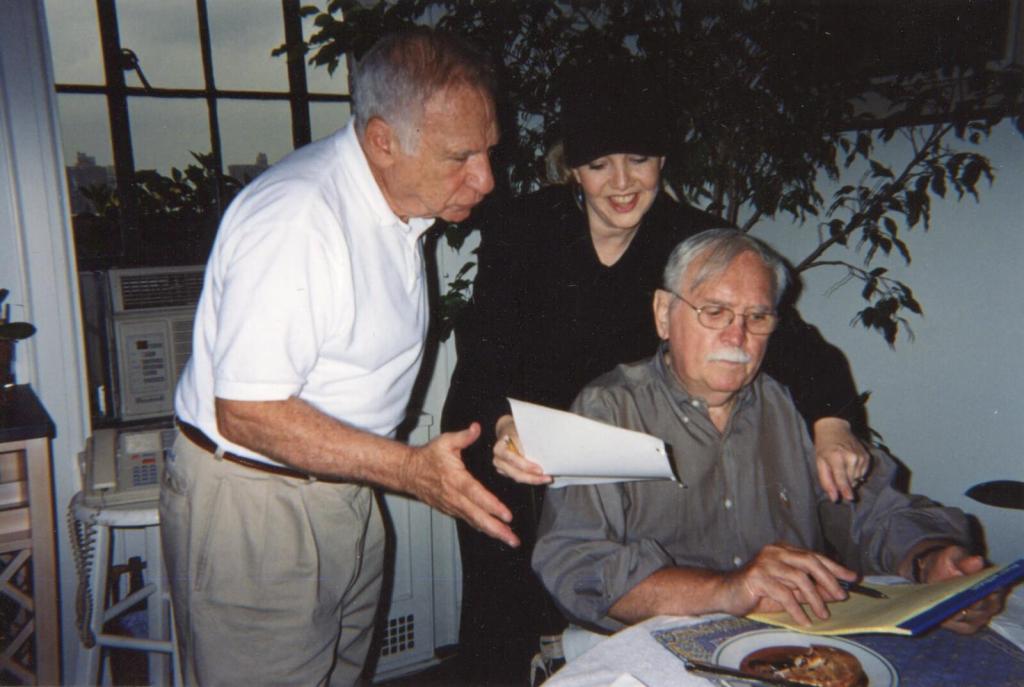
Mel Brooks, Susan Stroman, and Thomas Meehan working on The Producers. Photo from Susan Stroman’s personal archive
LM: How did Mel convince you to join the creative team?
SS: You know, when Mel first came to me, I didn’t know what it was about. And then when I realized it was The Producers, I thought, “No matter how it turned out, just because of who Mel was, who he is, this life force!… No matter what happens with this show, it will be the adventure of a lifetime!” And it was. Of course, it turned out great. It still holds the record for the most Tony Awards a show has ever won. I think Mel wants to hang on to that.
LM: Absolutely. I mean, what other show can hold so many Tonys? A show about Broadway musicals and the producers who make them happen. It only makes sense.
SS: And I will say Mel was wonderful with the actors too, because we had the magnificent Nathan Lane and Matthew Broderick and Roger Bart. All great comics; each was one of a kind. Such inspiring actors. That collaboration was magnificent.
LM: How did the casting for supporting roles and the ensemble go?
SS: You know, even down to the ensemble, the song and dance kids… when they auditioned, they had to sing a song, they had to dance, they had to read a little scene, but they also had to tell a joke! And they had to tell that joke in front of Mel Brooks! Everybody who got into The Producers from the very beginning had to have a funny bone in them.
LM: When it comes to the movie The Producers, we all remember the original film with Zero Mostel and Gene Wilder. After that movie, they created a stage version years later. At the time, was there a belief that the stage version would be more popular than the original film?
SS: I think it just lent itself to being made into a musical because it was “a backstage story.” And the audiences, I think, really love backstage musicals like 42nd Street or Noises Off. In The Producers, you learn how to become a producer through Leo Bloom’s eyes. That journey is amazing; it shows what it takes. You must get a director; you must get a writer. It’s all about how to become a producer; Max Bialystock is quite the shyster, wanting to take all the investors’ money and put on the worst show ever written so he can get rich. And of course, he puts on the worst show ever written, and the critics unexpectedly see it as a satirical masterpiece. So of course, he goes to jail. But it’s that idea of what it takes. You must get investors, all of it. It shows the audience a little glimpse of what it takes to become a Broadway producer. And I think that has an accessibility to it. The audience really wants to see something like that.
LM: And I guess not just how to become a producer, but also what it takes to put on a show…
SS: Absolutely.
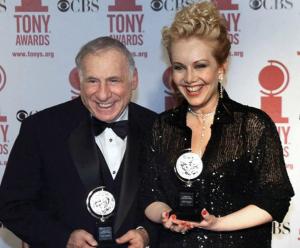
Mel Brooks and Susan Stroman at the Tony Awards/ Photo from Susan Stroman’s personal archive
LM: You worked with amazing actors – Nathan Lane and Matthew Broderick. During rehearsals with them, how much creative freedom did you give the actors? I know Mel was always very serious about the script, and he wanted people to stick to the original as much as possible. But how much creative freedom did you give the actors when you directed them?
SS: The actors hired for this production all had great respect for the original material. I think they wanted to honor that material. It’s not like I was working with a group who were thinking: “Oh, this is no good… I’m going to try this, or that.” When an actor does something like that, they make it their own, whether they know it or not. You know, even though something’s been done before, the actors will make it their own just because they are their own person; they have their own heartbeat and rhythm. So I feel like there were no restrictions because no one in that group was heading down the wrong path. They had creative freedom, but everyone respected the original material and brought their own breath and their own life to it.
LM: You were working on the show in two different media: the stage version and the movie musical… two very different media. The directing approach, I would assume, would be very different as well, because you’re dealing with two media where it can’t be the same. How did you decide on the casting for those legendary roles?
SS: Well, when we heard that we were going to do a movie, it was very exciting. But a lot of times movie producers want to have stars in the cast. If I had to choose, I’d cast everyone from the Broadway show. But for movies to sell – you need recognizable names. Just like we see now with Broadway shows, a lot of stars are coming in… And that is what happened with The Producers; we needed to attract attention. So, of course, Will Ferrell and Uma Thurman came into play. Mel loved Nathan and Matthew more than anything. And they at that time had become film stars. Nathan had done The Birdcage, and Matthew had done Ferris Bueller’s Day Off. And so, it was a little easier with them. But The Producers: The Movie Musical wanted some starry names to help sell the movie.
LM: Did the cast members have to, in one way or another, emulate the original performers of those roles? Since Zero Mostel and Gene Wilder created these characters?
SS: No, they just followed the script. That script is so good; they just played that script. I think they all feel like they stand on Zero and Gene’s shoulders, but they are different actors. They were just more immersed in the theatre script. And it’s a different medium. There’s so much that goes into making a theatre piece, which is very different from film; in theatre, everything is in one wide shot, and you have to guide the audience’s attention with lighting and spotlights… But in the film, you’re dealing with cameras, and you don’t have to do a scene all the way through or a number all the way through, because they have to move the cameras. So, it’s a very different medium and a different approach to making it all together.
LM: How did you adjust your directing from one medium to another?
SS: Well, it was interesting because in theatre we don’t have close-ups, so we have to make sure whatever we’re saying, the focus is on the stage in the right place, so the audience is really paying attention. You must make sure whatever’s being said isn’t upstaged by music or another performer. In film, it’s easier, in a way, because the camera can get right up close for a close-up. But sometimes we’re bigger in theatre because we have to be seen in the back row, which you don’t have to worry about in movies.
LM: When it comes to your choreography, you have developed your own style, and it’s very recognizable. You work with the dance, with the set, with the props. Everything comes into play during the dance numbers. Choreography becomes a way of storytelling. But it just lives and breathes together with everything else that is happening, with the acting, with the set, and props, and costumes, and people, everything. When I saw the Little Old Ladies dance with the walkers again, and the number Unhappy when the girls jump out of the cabinets, I was once again impressed by how unexpected and un-cliched it all was. How did you develop your own choreographic style? Your choreography works on stage and on screen.
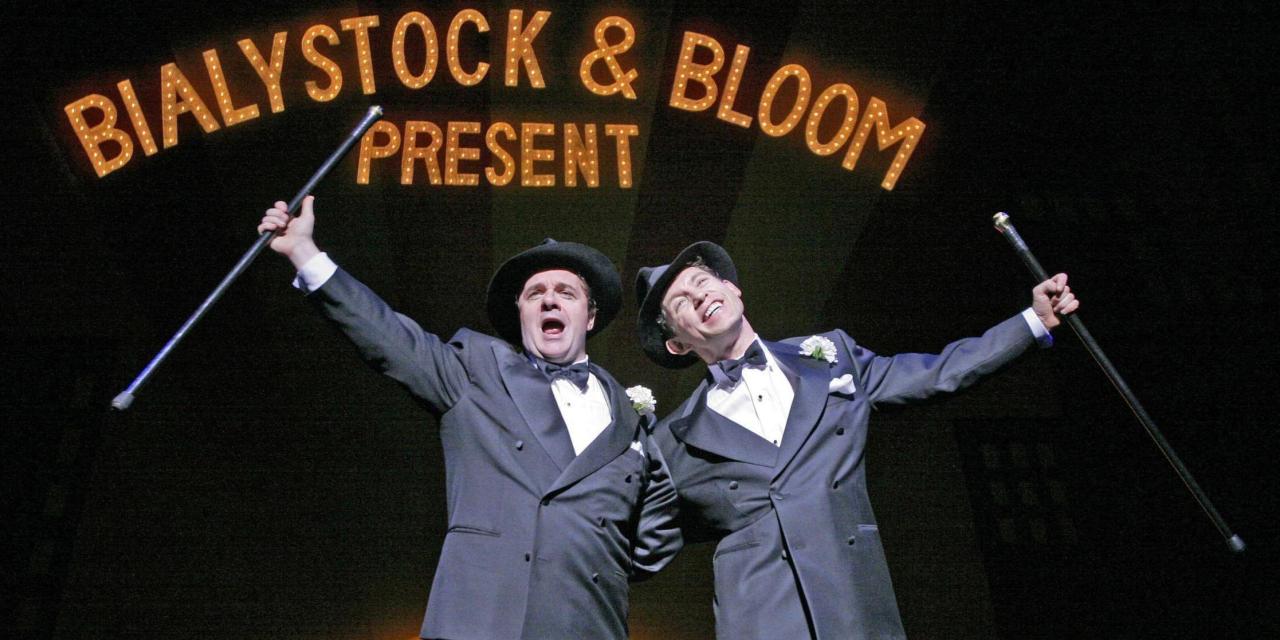
SS: For example, in I Want to Be a Producer, Leo Bloom imagines what it must be like to be a producer: he sees his name on the marquee, his name up in lights. Beautiful showgirls, champagne, and caviar surround him. And that’s what he thinks being a producer is. Even though it’s a lot harder work than that, that’s what he thinks it’s like to be a Broadway producer. So, part of developing the number involved using the elements he dreamed about. And then, of course, Mel wrote lyrics accordingly, “saying my name, Leo Bloom in the lights…” So, I collaborated with the wonderful set designer Robin Wagner. Leo Bloom’s in a terrible accounting office; everybody’s unhappy. He goes to the file cabinet, and instead, the cabinet becomes magical. Suddenly, each showgirl pulls out of the cabinet. Then the set blows off, and he sees his name lit up, and he dances with the girls, hat and cane in hand, which he assumes all Broadway producers have. But the imagination for all those numbers really comes from thinking through what that lyric is, what that character is feeling at that moment.
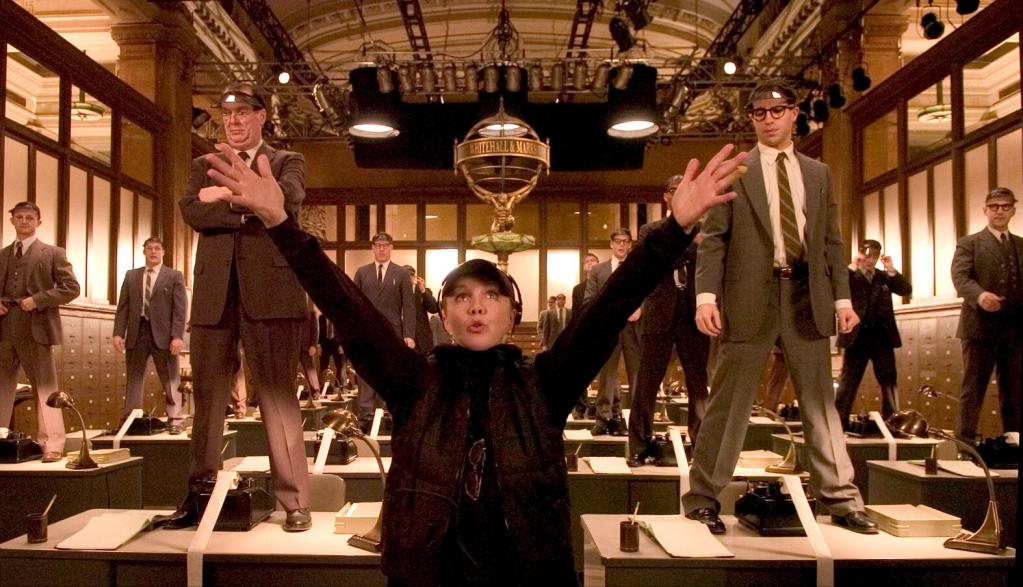
Susan Stroman and the Ensemble of the Accountants on Set of The Producers: The Movie Musical. Photo Credit by Andrew Schwartz
LM: Have you thought through certain solutions and then tried them out, choosing the only right one?
SS: It all really comes out of doing the research of what the number is within its lyrics and within its characters. For something like Little Old Ladyland I thought: “Well, what would be funnier than one little old lady with a walker? Twenty-five little old ladies with walkers. That would be funnier!” And I’ll never forget… I didn’t tell Mel that. When he came into rehearsal, sat down, and suddenly they all came out through the door with all those walkers. He loved it. It’s sort of like immersing oneself in the world of Mel Brooks. What is that world? What would be funny? And then, yes, I did pre-production with a walker to see what exactly could be done. Can you cartwheel with a walker? Can a walker hold you if you try to sit on it and kick? Can you even tap dance with the walker? If I put taps on each leg, could I make proper sound? And so, I did that pre-production rehearsal. Then, the wonderful dance arranger, Glen Kelly, helped me open the song for dance. Mel would write the song, like 32 bars of the song, and then Glen would develop it into a big production number. He would take Mel’s melody and put it into stop time for the tap dance or whatever.
LM: Did each musical number have its own “special” story?
SS: Every number takes you on a journey. Developing each number is quite something. But the main thing is the idea: the root of the story. What is the root of the character? And is the idea for it to be funny or to be romantic or to be somehow poignant? It’s about finding the emotion of the number too as you are building it. But what’s wonderful about The Producers is that it gave me many moments to do several variations. For example, when Leo Bloom sings That Face to Ulla, and then they go into a partnering dance… Leo doesn’t really dance, but he does his best to have a Fred Astaire and Ginger Rogers moment with Ulla, as he imagines it. Then they fall behind the sofa, have a comic moment, and come out in love.
LM: I was wondering about the music, because the accents and emphasis in the dance are so precise; they go exactly with the music, and the musical accents match the dance. So, how did that work out? Was it music first, and you choreographed around what was already in the music, or was it a collaboration where you might have had moments where you’d say, “Here we want to do a tap number, so can we add extra beats and sounds in the arrangement?”
SS: In every show that I do, if somebody kicks their leg, the whole orchestra kicks their leg. If somebody leaps in the air, the whole orchestra leaps in the air. And it’s part of my job to make sure that music is supporting the choreography. So, I worked together with a dance arranger. For The Producers, it was the very talented Glen Kelly and orchestrator Doug Westerman. We would talk about the numbers over and over. We’d take a melody and try it in various tempos… So, it’s very much about how the music is arranged. I’m part of the music when I choreograph. When I was a little kid, I would see that in Fred Astaire and Ginger Rogers movies: when Fred Astaire leaped into the air, the orchestra did too. And somehow, as a little kid, I was able to clock that. Later, as I understood music and its arrangement better, I realized this was a collaboration between the choreographer, the music arranger, and the orchestrator, and, of course, the composer…
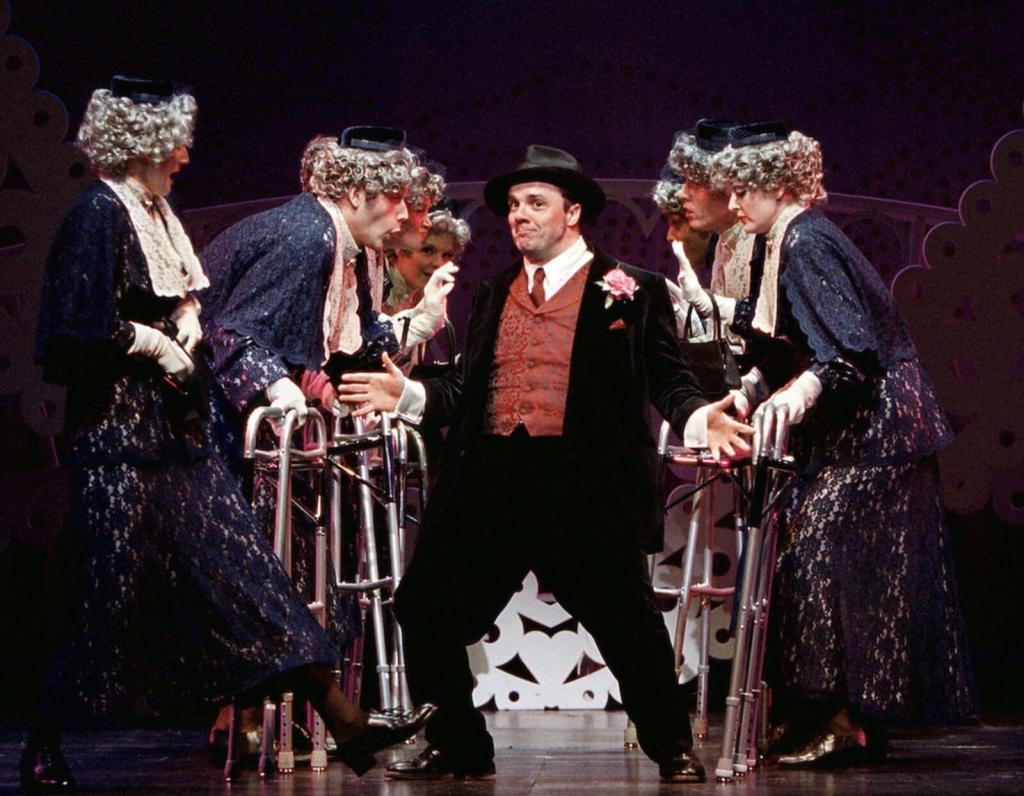
“Along Came Bialy”, The Producers, (C)-Nathan Lane as Max Bialystock and Little Old Ladies. Photo Credit by Paul Kolnik
LM: That’s an amazing opportunity to have, to be able to collaborate on the music too, right? Because I know there are a lot of choreographers who are given the music and that’s that.
SS: Yes.
LM: When it comes to the different versions of the show, the Broadway version and the West End version, you worked on both. And I remember in Mel’s book, All About Me! My Remarkable Life in Show Business, he mentions that the West End version was better than the Broadway version. What did he mean by that? What were the main differences between the two?
SS: I have to say, I think it’s just because Mel might have been, to be honest, calmer about the West End version. You know, when we were opening on Broadway, we didn’t know what was going to happen. If everybody knew what was going to happen, if everybody knew what the formula was for a hit, everybody would do it, but nobody does. And so even though we had a great out-of-town premiere, we were still worried. I think by the time we recreated the show in London, everybody was calm because we knew we had a hit and London wanted to see us. I know when we started with The Producers, here in New York, when we were creating it, there were a lot of naysayers stating: “That’ll never happen… that’ll never work… It’s a bad idea…” And of course, we all heard that. So even though we felt we were doing a good job there, that does hover over you. But then I think by the time we got to London, and I have a feeling that was more of an emotional reaction for Mel, that he was able to finally sit back in the audience and not worry about a thing. And he loves London. He also had Anne Bancroft with him the whole time. And they were the toast of London town. So I think it was more of an emotional reaction: “We did a good job, so now let’s celebrate!”
LM: The show you created is truly legendary. Let’s talk about the song of all songs: Springtime for Hitler. I know that number was nerve-wracking for you…
SS: In the show, there is a line that says, “We are looking for the worst show ever written.” So we made sure that line was repeated several times so it would sink in. And then that would help us do the worst show ever written. But if someone’s not paying attention and doesn’t hear that line, and then that number happens, they’re in for a shock. The producers got the worst director to do Springtime for Hitler, and the worst book writer, as part of the plot. And so, the audience is in shock when they see it. It is supposed to be “a bad show”. Springtime for Hitler is the ultimate number, done by a director who doesn’t even know who Hitler is. And he’s just putting on an outfit. We just used all the clichés in the number, you know, I have a girl en pointe with a tank around her. And storm paratroopers come out of the sky, and we do a tap dance with grenade sounds in it.
LM: And of course, the swastika formation.
SS: Yes, the swastika formation. The wonderful Robin Wagner, our set designer, gave me a giant mirror that tilted forward, which was unheard of in the theatre. No one had ever done anything like that. The idea of tilting a mirror is actually a little scary. But when he tilted the mirror, the whole audience could see the dancers form a swastika. And it was an amazing moment in the musical. At the end, of course, all the reviews come out, and Max and Leo are shocked because they thought it was going to be a terrible show!
LM: They did their best to find the terrible play and deal with a complicated author.
SS: They did their best to make it the worst, absolutely.
LM: Now, since you were involved with different media forms of the show The Producers, which one was your favorite? Did you like the film or the stage version more?
SS: You know, I’m a theatre animal, so I love the Broadway show the most. And the fact that it was received so well in every way was a big high! It was an adventure from beginning to end, working on this show and then seeing how it was received.
LM: If Mel decided to portray one of the characters in the show, who do you think he would play?
SS: Oh, I think he would be Max Bialystock, for sure. He would love that part because he has that kind of drive, rhythm, and energy. He still has it at 100 years young!
LM: I’m sure that new adaptations and revivals of The Producers will appear. What advice would you give to the next generation of directors and choreographers working on this show?
SS: Well, I think to believe in the book, believe in those characters, because although they are eccentric characters, they are true characters of the theatre. All those characters we see in The Producers live with us in the theatre world, for real. And that’s why it’s believable when they launch into song and dance all the time. If the directors and choreographers believe in the book and the characters, they’ll do just fine!
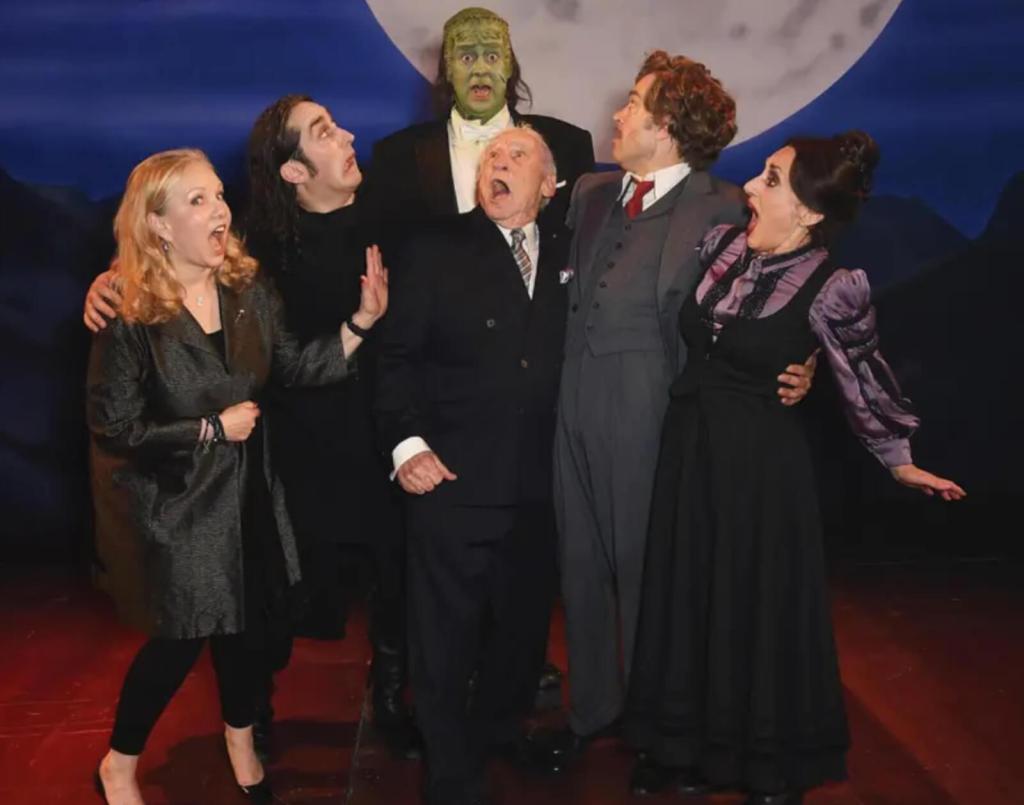
Young Frankenstein Opening Night. (L)-(R)- Susan Stroman, Ross Noble, Shuler Hensley, Mel Brooks, Hadley Fraser, and Lesley Joseph. Photo Credit by Dave Benett
To conclude this brief overview of Mel Brooks’s musical theatre works, let’s recall the musical Young Frankenstein (2007), based on his 1974 film of the same name. Brooks wrote the music and lyrics, co-wrote the book (with Thomas Meehan), and Susan Stroman directed and choreographed. The show received mixed reviews, though it did win several prestigious awards. It closed after approximately 500 performances. Reflecting on the reason, Susan Stroman said:
We were in a giant theatre. We were in the theatre that Harry Potter is in right now. Those giant theatres are not good for comedy. So, Young Frankenstein did much better in London because we were in a very small theatre. And I think that made Mel sad, because unlike a film with a close-up, again, you’re in a wide shot, on a huge stage, but comedy needs to be up close and personal. So, the smaller Broadway house you can get for comedy, the better off you are. For The Producers, we were at the St. James, which is perfect. It’s medium-sized. But where we were for Young Frankenstein, it was just too big for the comedy.
The West End revival of a reworked version of the musical Young Frankenstein at the Garrick Theatre in 2017 proved more successful. “Everything was smaller, the set was smaller, and I directed it more like a vaudeville production because it was so small. Mel went back to the book and made some cuts. So, yes, the show was very successful there. And I think that made Mel very happy,” said Susan.
“…Young Frankenstein…was a successful show, but it could never reach the impossible heights of its predecessor. …the wild success of The Producers was far too big to duplicate,” Brooks said. But that doesn’t stop Mel Brooks from working on a new project, Very Young Frankenstein, a mini television series commissioned by FX. As executive producer, Mel Brooks has been collaborating fruitfully with writers, directors, and producers Stefani Robinson, Taika Waititi, and Garrett Basch. The show is a prequel to Young Frankenstein, set before the events of the 1974 film. The creators promise to preserve the original’s spirit while “freshening up” the story. With Mel Brooks on board, there’s no doubt the mission is possible!
This post was written by the author in their personal capacity.The opinions expressed in this article are the author’s own and do not reflect the view of The Theatre Times, their staff or collaborators.
This post was written by Lisa Monde.
The views expressed here belong to the author and do not necessarily reflect our views and opinions.