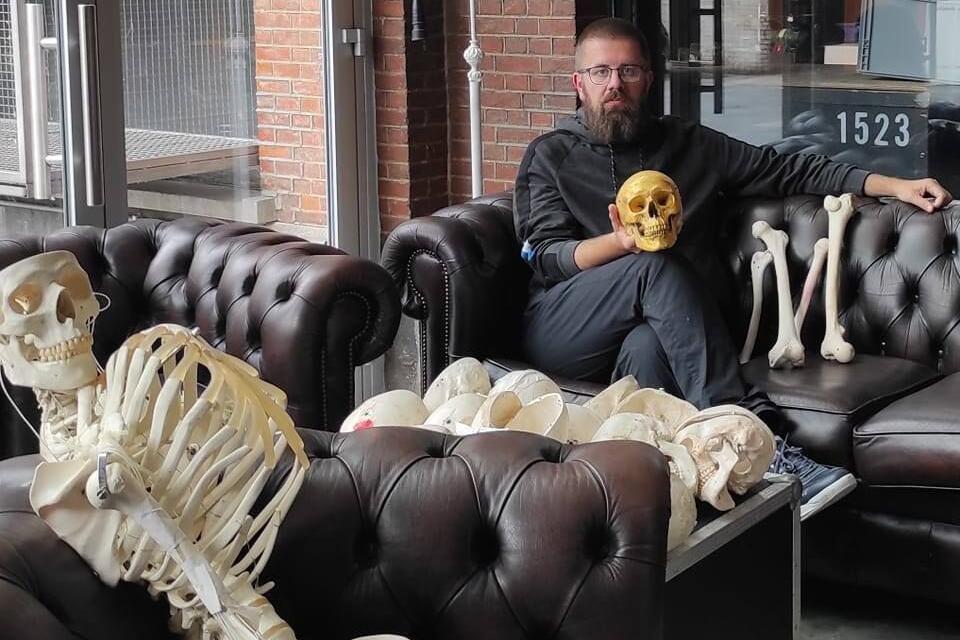
An Interview with theatre director and theatre festival manager Zoran Rakocevic, Kolasin-Podgorica, Montenegro, Europe.
Zoran Rakocevic is a Montenegrin theatre director and founder of the KoriFej International Theatre Festival in Kolašin, Montenegro. His work spans classical and contemporary theatre, focusing on socio-political themes, identity, and independent artistic expression.
Ivanka Apostolova Baskar: Zoran, what does it mean to be a theater director in today’s Montenegro? What challenges, opportunities, and barriers do you face?
Zoran Rakocevic: Being a theatre director in Montenegro is probably similar to being one in other countries of the region, especially those with a shared Yugoslav heritage. However, there are specific challenges unique to Montenegro, which is one of the smallest countries in the region. There are only about ten theatre directors trained mainly at the Faculty of Dramatic Arts in Cetinje, so it may be easier to access projects. On the other hand, Montenegro has only four or five professional theatres. Directors often collaborate closely with dramaturgs, producers, and other specialists, and many are drawn to independent theatre to produce works outside institutional frameworks. Unfortunately, in our country, such independent organization is often recognized only under NGO law, and the Ministry of Culture does not always acknowledge it as significant. Directors must therefore find creative ways to fund projects through other institutions. Aesthetically, directing in Montenegro is challenging, largely because our society continues to experience a kind of trauma rooted in the transitional period of the 1990s and the violent breakup of Yugoslavia. Many social, historical, and identity issues remain unresolved, influencing both the work and perspective of a theatre director.
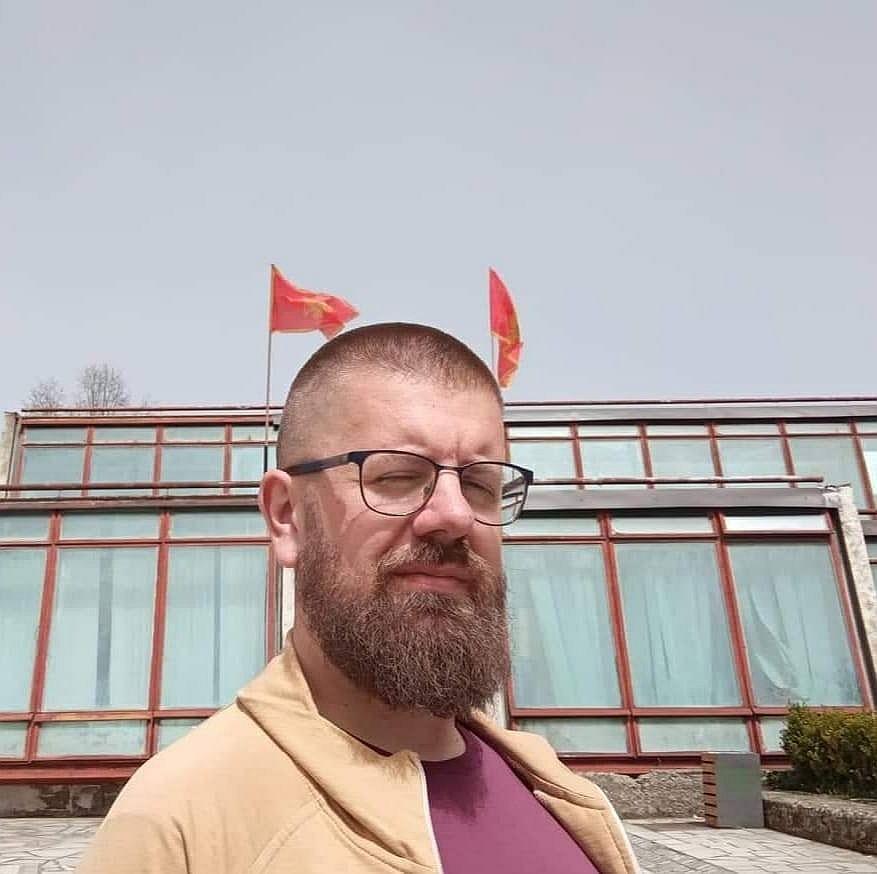
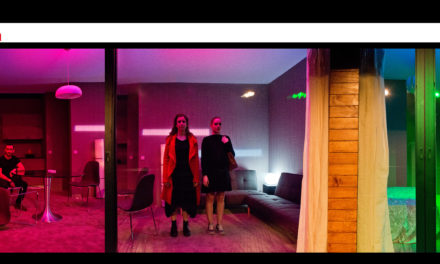
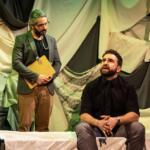
Photo credit Zoran Rakocevic.
IAB: Your body of work includes Captain of Dreams, Chicago Perversions, The Prince and the Pauper, Iphigenia, Tre Sorelle/Three Sisters. Why these plays? How much of the choice depends on you versus institutional policies?
ZR: The process of selecting a text depends on the situation. Sometimes I have adapted or chosen works myself; other times, theatres propose texts. What unites all my productions is their reflection of Montenegro’s socio-political reality. Each play responds to the conditions in which we grow up and in which young people form today, addressing the estrangement of elites, patriarchal pressures, and struggles for freedom. Whether Shakespeare or contemporary Montenegrin authors, my goal is to engage with the society through the chosen works.
IAB: As a director, what is most important to you? What is the key to your directing?
ZR: All elements of creation are important, but the crucial connection is between genre and theme. Genre shapes how the audience engages through anger, laughter, heightened consciousness, or motivation to act while the theme must arise from everyday life, whether personal or socio-political. When genre and theme align, the entire creative process becomes clearer for actors, designers, and all other collaborators.
IAB: What is your perspective on the pedagogical drama process at the Dramatic Academy in Montenegro – strengths, weaknesses, and challenges?
ZR: Montenegro has only one drama school, the Faculty of Dramatic Arts in Cetinje, part of the University of Montenegro, founded in 1994. It follows the post-Yugoslav model of dramatic pedagogy. Recent reforms introduced multidisciplinary programs, with students focusing on theatre or film before choosing specializations such as dramaturgy, stage direction, film direction, or production in the later years. While the traditional Stanislavski-based training is important, contemporary approaches widely taught in Europe and beyond deserve inclusion. Much remains to be done to modernize the curriculum and fully prepare students for today’s theatrical realities.
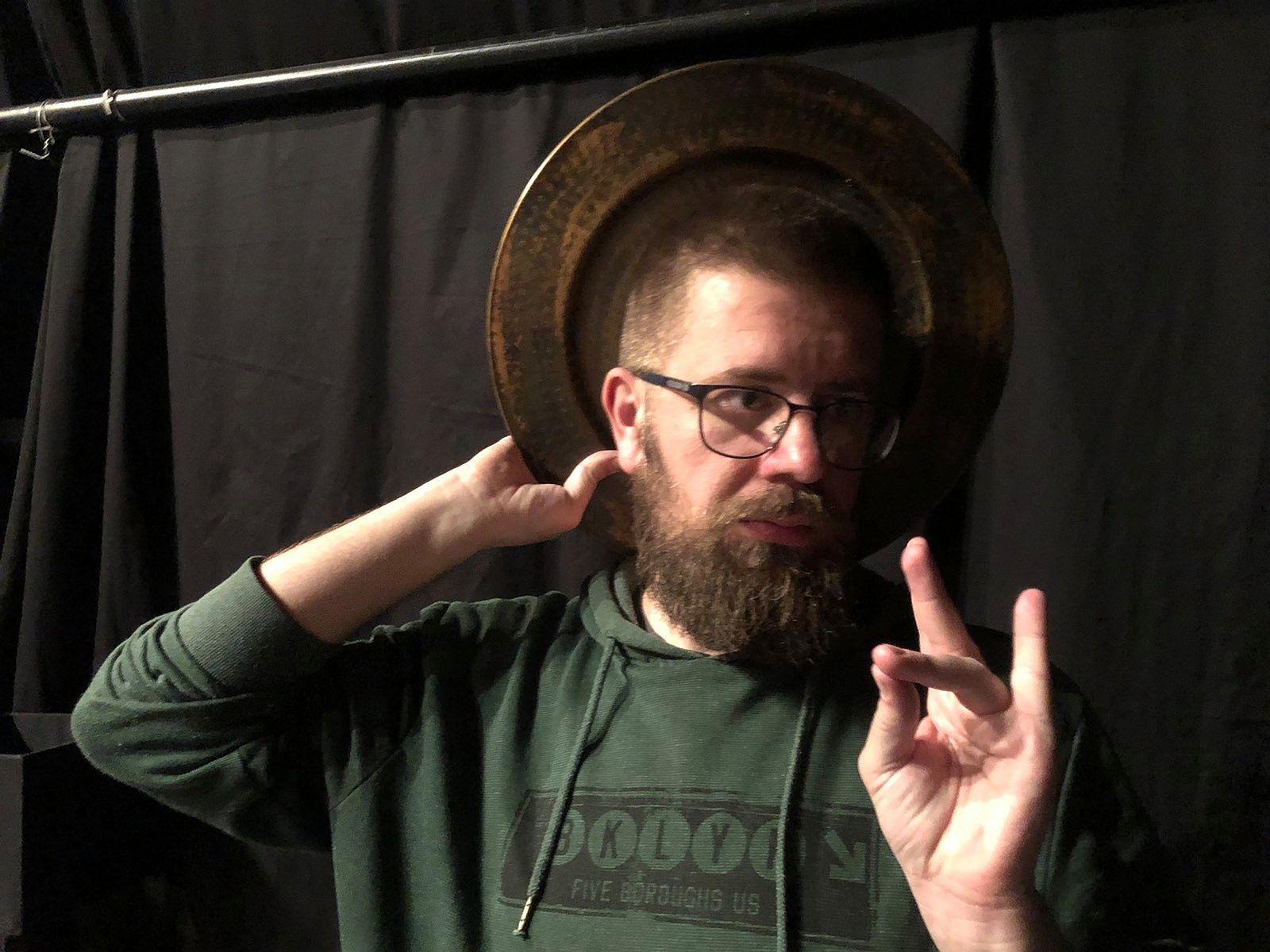
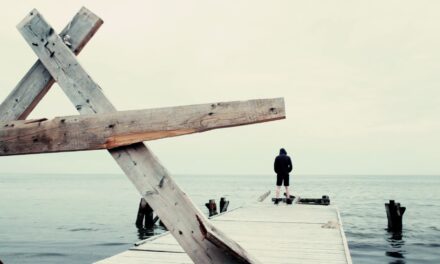
Photo credit Zoran Rakocevic.
IAB: Based on your experience, what are the unique features and weaknesses of institutional versus non-institutional actors?
ZR: It is always a question of balance between technique and intuitive, artistic impulsiveness. Too much technique kills spontaneity, while too much freedom without control leads nowhere. In Montenegro, most actors aim to join institutional ensembles, reflecting a broader societal tendency to seek state employment. This makes it difficult to develop a strong independent scene. True growth comes when non-institutional actors claim space outside institutions, collaborating to assert their presence and artistic independence.
IAB: What motivates directors to initiate a festival?
ZR: Running a festival while maintaining a directing career is challenging. The KoriFej Festival gives me immense satisfaction by bringing significant artistic work to my small hometown. However, local authorities often fail to recognize the quality and importance of these efforts. Despite these challenges, the festival, now at its 12th edition, provides personal and collective fulfillment for all involved, even if patience and energy are tested each year.
IAB: Why Kolašin, and what are the advantages of being away from the Adriatic coast?
ZR: KoriFej was created by a small group from Kolašin with the goal of producing meaningful cultural work in northern Montenegro, the least developed part of the country in terms of contemporary arts. The festival demonstrates that even small towns can foster contemporary theatre. Recent economic and tourism growth made Kolašin a suitable site for a major cultural event. The mountain setting provides visitors and participants from across the region and Europe with a unique natural environment, often connecting festival activities with the surrounding landscape.

KoriFej Festival 2025. Photo credit Zoran Rakocevic.
IAB: What is the festival focused on programmatically, and what challenges do you face?
ZR: In recent years, the festival has addressed socio-political issues in Montenegro and globally. Programming has been linked to wars, human suffering, victims, and transitional challenges in the region. Small-town institutions often resist these discussions, leading to censorship and misunderstandings. Yet our audience, and those from outside, appreciate and understand our thematic focus. While recognition is limited locally, the festival has grown beyond what a town of fewer than 10,000 could contain, encouraging us to continue addressing important topics and taboos.
IAB: What opportunities have opened up regionally and internationally since KoriFej?
ZR: The festival has enabled us to host artists and facilitate exchanges with regional theatres while developing our own professional productions. Our work has been presented at numerous festivals, both independent and institutional, in cities like Belgrade, Skopje, Zagreb, Sarajevo, and Pristina. The festival acts as a catalyst, providing a foundation for regional and international collaboration.

Photo credit Zoran Rakocevic.
IAB: Are you open to co-productions?
ZR: Yes, we have had several co-productions. Our recent premiere, The Forest, was created with the City Theatre of Podgorica. Previous productions like Jelena Savoyska involved multiple cultural centers. Co-productions pool financial and creative resources that individually would not suffice, and the festival guarantees that productions can be presented locally. The Ministry of Culture has also recognized and co-financed some of our projects, which is invaluable.
IAB: How do you chart and program the festival each year?
ZR: We choose programs based on thematic relevance, never for commercial gain. Ticket prices are symbolic, and much of the program is free to encourage engagement with contemporary art. Themes emerge from ongoing observation of society. For example, when one of our productions was censored by a local authority, we dedicated the festival to banned projects from the region, highlighting issues that challenge local norms.
IAB: Who hinders contemporary Montenegrin drama?
ZR: Montenegro has not fully developed its national dramatic identity. As a small society, we rely on larger regional centers such as Croatia, Serbia, and Bosnia and Herzegovina. The lack of institutional support and cultural infrastructure prevents contemporary Montenegrin drama from asserting itself independently.
IAB: Who are the key contemporary theatre artists in Montenegro?
ZR: I do not want to mention specific names. I encourage attention to the independent scene in Montenegro, which is highly deserving of recognition across all artistic disciplines. Independent theatre, in particular, is eager for attention and support, and the same applies to other forms of art.
IAB: What themes dominate contemporary Montenegrin dramatic texts?
ZR: Playwrights often explore family issues and identity, including personal freedom, sexual freedom, and choices available to young people. Many works address systemic injustice rather than individual wrongdoing, and a significant portion deals with national and identity questions. These themes reflect ongoing societal questions and search for self-understanding in Montenegro.
Photo credit Zoran Rakocevic.
IAB: What is your relationship with Macedonia and Macedonian theatre?
ZR: I have personal ties through my grandfather’s family in Skopje. Professionally, I have visited many times for theatre work and understand the Macedonian socio-cultural challenges, which are similar to Montenegro’s. I have met many talented young artists there who still lack opportunities. Macedonia, in my view, is somewhat of an oasis in the region, maintaining stability and avoiding major corruption. Awards like the Actor of Europe Festival recognition for Jelena Savoyska provide personal validation but do not automatically create new opportunities for the production; every new staging still requires persistent effort.
IAB: Thank you very much, dear Zoran Rakocevic.
Podgorica/Kolashin/Skopje, 2026
This post was written by the author in their personal capacity.The opinions expressed in this article are the author’s own and do not reflect the view of The Theatre Times, their staff or collaborators.
This post was written by Ivanka Apostolova Baskar.
The views expressed here belong to the author and do not necessarily reflect our views and opinions.