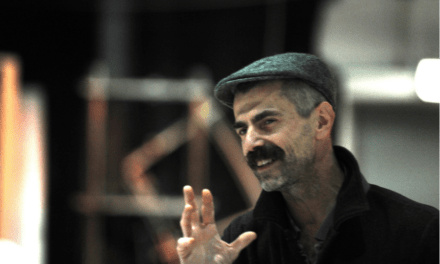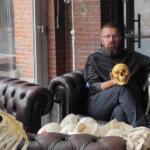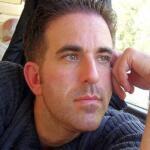

An Interview with Mr. Hassane Kassi Kouyaté, Chair of the International Artistic Committee of MASA – Marché des Arts du Spectacle Africain d’Abidjan, Ivory Coast /Republic of Côte d’Ivoire, Africa
Born in Burkina Faso into a family of griots, Hassane Kassi Kouyaté grew up between Africa and Europe. He has developed work centered on orality and the art of storytelling, creating and directing several festivals, including Yeleen, as well as the Djéliya Cultural Center in Bobo-Dioulasso. After directing Tropiques-Atrium in Martinique, in 2019 he took the helm of Les Francophonies in Limousin, renamed Les Francophonies – Des écritures à la scène. He is also co-curator of the permanent exhibition at the Cité internationale de la langue française in Villers-Cotterêts.
Ivanka Apostolova Baskar (IAB): How would you define MASA’s artistic mission today, and how has this mission evolved since the early editions of the festival?
Hassane Kassi Kouyaté (HKK): Before answering, I want to pay tribute to MASA’s General Director and his team for the outstanding work they do. MASA has become a major landmark for live performance in Africa. It is a meeting place for performing arts professionals and institutions interested in African creation and its diaspora. In addition to being the most important live performance market on the continent, it also serves as a hub for information, training, and incubation of young African creation. And of course, it is also a great place for celebration.
IAB: As MASA continues to develop internationally, what core values does the festival strive to uphold as a platform for African performing arts?
HKK: The first fundamental value is the quality of programming, which includes organizing professional meetings, welcoming artists and professionals, fostering dialogue through conferences and roundtables, and promoting conviviality.
IAB: How does the International Artistic Committee function in practice, and what are the main criteria you use to select artists and projects?
HKK: The committee consists of 23 members from five continents, divided into subcommittees by discipline, each with a designated leader. The first criterion is gender parity, along with geographic diversity and professional roles. Each subcommittee makes decisions within its discipline, and then all members meet to finalize the program collectively. Selection criteria include parity, geographic diversity, aesthetic diversity and plurality, emerging talent, modernity, creativity, and logistical considerations such as transportation and set design.
IAB: What are the main challenges in designing a program that is simultaneously representative, diverse, and artistically innovative, given the wide variety of regions and genres involved?
HKK: This challenge is addressed precisely through the diversity, backgrounds, and expertise of the selection committee.
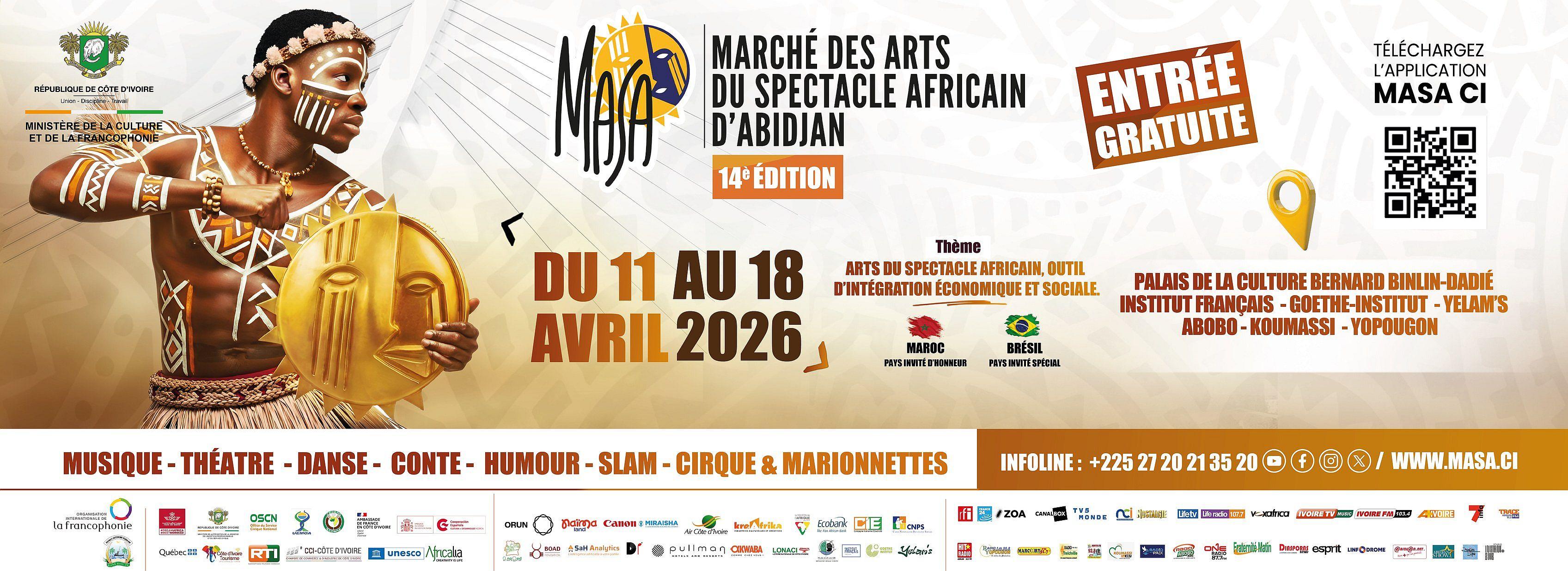
Poster for the 2026 edition of MASA – Marché des Arts du Spectacle Africain d’Abidjan. Credit: MASA.
IAB: How does MASA balance the preservation of African artistic traditions with contemporary and global trends?
HKK: Today we realize that people create from where they live and what they experience, yet they are part of the Tout-monde. They are contemporary.
IAB: What makes a project “innovative” or “artistically relevant” to be included in MASA’s official program?
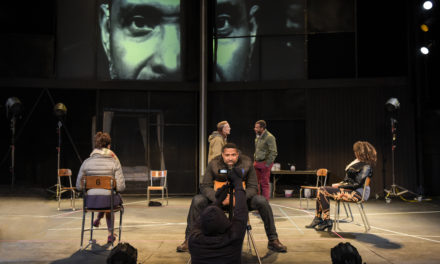
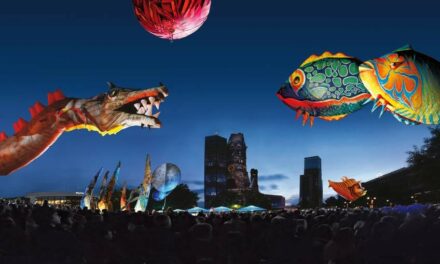
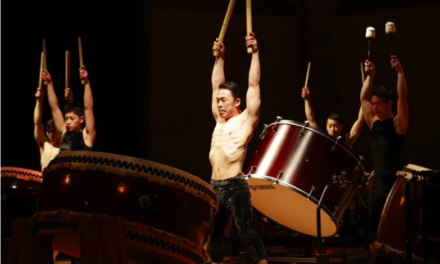
HKK: We aim to showcase very diverse creations, because we receive programmers with very different needs. We must pay attention to the diversity of aesthetics, whether in the form of dance theatre, text-based theatre, object theatre, classical or contemporary circus, multimedia, large-scale or small-scale productions.
IAB: What major trends do you currently observe in African performing arts (theatre, dance, music, spoken word, circus arts)?
HKK: I notice that Africa is inventing its own circus, writing is increasingly innovative, new technologies are being widely used, and there is growing permeability between disciplines.
IAB: Do you think today’s audiences increasingly expect a dialogue between traditional and experimental forms? Why or why not?
HKK: I avoid thinking on behalf of the audience. However, I try to offer three things: show them familiar works in a different way, present completely unknown works that challenge them, and find works that entertain and delight.
IAB: How has your own artistic trajectory as a storyteller, director, and cultural leader shaped your role within MASA’s Artistic Committee?
HKK: My career has included many roles: first as an artist and creator, then as a producer, festival organizer, and founder of residency and creation spaces. These activities allowed me to travel across Africa and the world, establish collaborations and professional friendships, and gain knowledge of the artistic field from both administrative and creative perspectives. These experiences enable me to fulfill my role as Chair of MASA’s International Artistic Committee effectively. I have attended almost every MASA, except for two editions.

MASA Logo.
IAB: Which artistic values do you consider most essential to transmit through your work with MASA?
HKK: Everything. I believe everything is important in programming today to develop the spectators’ free will.
IAB: What major challenges do you foresee for African performing arts in the next decade, and how can MASA address them?
HKK: Creators need better administrative structuring, long-term training programs, more performance venues, and easier mobility for artists administratively (visas) and financially (airfare and fees). Africa is a young continent with enormous creative potential and a promising future.
IAB: What message would you like to convey to young African artists aspiring to an international career?
HKK: Be curious, inventive, patient, and work hard.
IAB: Thank you very much, Mr. Hassane Kassi Kouyaté.
Skopje / Abidjan, 2026
This post was written by the author in their personal capacity.The opinions expressed in this article are the author’s own and do not reflect the view of The Theatre Times, their staff or collaborators.
This post was written by Ivanka Apostolova Baskar.
The views expressed here belong to the author and do not necessarily reflect our views and opinions.